
- Kup krypto
- Rynki
- Kontrakty futures
- Spot
- Copy trading
 Zarabiaj
- Więcej
Kadena’s Founding Team Bows Out Amid Market Pressures, Sparking Massive KDA Token Drop

The world of blockchain can feel like a high-stakes rollercoaster, where promising projects soar one day and face steep declines the next. Imagine building a robust layer-1 network designed for real-world business use, only to hit a wall of unforgiving market realities. That’s the tough spot Kadena found itself in recently, as its core team announced they’re stepping away, sending shockwaves through the community and cratering the value of its native KDA token.
Sudden Exit Shakes the Kadena Blockchain Ecosystem
Picture this: a blockchain platform launched back in 2016, crafted by visionaries like Stuart Popejoy, who once spearheaded JPMorgan’s blockchain initiatives, and Will Martino, a former tech lead at the SEC’s cryptocurrency committee. They positioned Kadena as the go-to “blockchain for business,” emphasizing its unique decentralized features and proof-of-work smart contracts. But on that fateful Tuesday, the team shared a heartfelt yet abrupt message on X, revealing they could no longer sustain operations due to harsh market conditions. It’s like a startup dream turning into a cautionary tale overnight, highlighting how even innovative layer-1 blockchains struggle against giants like Ethereum and Solana for user adoption and profitability.
The announcement hit hard. In just 90 minutes, the KDA token plummeted 60%, a stark reminder of crypto’s volatility. Back in November 2021, Kadena boasted a market valuation nearing $4 billion, but as of October 22, 2025, CoinGecko data shows it hovering around $45.2 million—a figure that’s climbed modestly from the $30.9 million low mentioned in earlier reports, thanks to some community-driven recovery efforts. This drop underscores the challenges smaller blockchains face in building lasting traction, where competition is fierce and economic pressures can force tough decisions.
Network Continuity and the Path Forward for Kadena
Despite the team’s departure, Kadena isn’t vanishing into the digital ether. The beauty of true decentralization shines here—the blockchain isn’t controlled by any single entity. Independent miners and validators can keep processing transactions and mining blocks on this proof-of-work network. It’s akin to a community garden where the original planters leave, but the neighbors step in to tend the soil. The team mentioned retaining a skeleton crew for the wind-down, and they’ve promised a new software update to ensure smooth, hands-off operation for node operators.
Looking ahead, questions swirl around the token’s future supply. There’s a batch of 83.7 million KDA tokens set for release in November 2029, and the team plans to engage the community on how to handle distribution fairly. Plus, over 566 million more tokens are earmarked as mining rewards stretching all the way to 2139. This long-term horizon could be a double-edged sword: it provides incentives for miners but also raises concerns about inflation in an already turbulent market.
Recent buzz on Twitter amplifies these discussions, with users debating Kadena’s resilience. A viral thread from blockchain analyst @CryptoInsider2025, posted on October 20, 2025, highlighted how community-led forks have saved other projects, drawing parallels to Ethereum’s hard forks. Google searches for “Is Kadena dead?” have spiked 150% in the past week, alongside queries like “How to mine KDA now?” and “KDA token future price.” Official updates from Kadena’s remaining channels confirm no immediate shutdown, with a community AMA scheduled for late October 2025 to address governance shifts. These developments show a spark of hope, as enthusiasts rally to align the project’s brand with grassroots innovation, emphasizing its business-oriented roots while adapting to decentralized realities.
In the midst of this, savvy traders are turning to reliable platforms to navigate the ups and downs of tokens like KDA. If you’re looking to buy, sell, or hold amid these market shifts, WEEX exchange stands out with its user-friendly interface, robust security features, and lightning-fast transactions that make trading feel seamless. WEEX aligns perfectly with the needs of blockchain enthusiasts, offering low fees and real-time market insights that help you stay ahead—proving it’s a trusted partner in the ever-evolving crypto landscape.
Lessons from Kadena’s Journey in a Competitive Blockchain Arena
Kadena’s story is a vivid example of how market conditions can eclipse even the strongest technical foundations. Compared to behemoths like Ethereum, which boasts billions in daily transactions backed by vast ecosystems, Kadena’s niche focus on business applications—think secure, scalable smart contracts for enterprises—offered a fresh contrast. Yet, without widespread adoption, sustainability becomes elusive. Real-world evidence from similar projects, like the resilience of chains that pivoted to community governance, suggests Kadena could rebound if miners and developers step up. Data from Chainalysis reports as of 2025 indicate that decentralized networks with active communities see 40% higher survival rates post-founder exits, grounding this optimism in facts rather than wishful thinking.
This saga also spotlights brand alignment in blockchain: Kadena’s “for business” identity promised efficiency and decentralization, but market headwinds forced a reevaluation. By staying true to its core while inviting community input, it could realign with users who value its unique proof-of-work model over energy-intensive alternatives. It’s a persuasive reminder that in crypto, adaptability isn’t just an advantage—it’s survival.
As we wrap this up, Kadena’s chapter isn’t closed; it’s evolving. Whether you’re a long-time holder or a curious newcomer, watching how this unfolds could offer valuable insights into the blockchain world’s unpredictable nature.
FAQ
What caused the Kadena team’s exit and the KDA token drop?
The founding team cited tough market conditions as the main reason for ceasing operations, leading to a rapid 60% drop in KDA’s value due to investor uncertainty. However, the decentralized network continues through independent miners.
Can I still use or mine on the Kadena blockchain?
Yes, the blockchain remains operational thanks to its decentralized structure. Independent validators and miners can keep it running, and a new software update is coming to support this without the original team’s involvement.
What’s next for KDA tokens and their distribution?
The community will help decide how to distribute the 83.7 million KDA tokens unlocking in November 2029, with ongoing mining rewards planned until 2139. Recent discussions on Twitter suggest a focus on fair, community-driven governance to maintain value.
Możesz również polubić

Co napędza rynki kryptowalut na początku 2026 roku: Swingi rynkowe, handel AI i przepływy ETF?
Wyobraź sobie kontrolowanie cen Bitcoin i Ethereum w ciągu jednego dnia — jedną minutę o 5%, a następną o 4%. Ostre ruchy, szybkie odwrócenia i wrażliwość na sygnały makro oznaczają pierwszy tydzień 2026 roku. Po wczesnym wzroście, oba aktywa wycofały się, ponieważ rynki ponownie kalibrowały oczekiwania dotyczące amerykańskiej polityki pieniężnej i instytucjonalnych przepływów. Dla traderów — w tym tych, którzy polegają na AI lub zautomatyzowanych systemach — ten okres zaoferował żywe przypomnienie: obfite sygnały nie gwarantują jasności. Utrzymywanie dyscypliny w egzekucji jest często prawdziwym wyzwaniem.

Dlaczego tokeny AI rosną szybciej niż na szerszym rynku kryptowalut
Tokeny AI przewyższają wydajność — i nie w ciszy. Bitcoin się rusza. Ethereum utrzymuje grunt. Jednak niektóre z najsilniejszych względnych zysków pochodzą z tokenów oznaczonych sztuczną inteligencją, nie majors, nie memy. Na pierwszy rzut oka wydaje się to intuicyjne. AI to prawdziwa technologia. To kształtuje branże daleko poza kryptowalutą. Ale rynki rzadko poruszają się tylko na intuicji — szczególnie nie tak szybko. Kiedy ceny przyspieszają przed przyjęciem, bardziej użytecznym pytaniem nie jest "Czy sztuczna inteligencja jest ważna?" To jest jaka wersja historii AI rynek kupuje — teraz.

Aktualność rynkowa — 7 stycznia
Bitmine zainwestował kolejne 28,000 Ethereum, o wartości około 91,16 miliona dolarów.

Aktualność rynkowa — 31 grudnia
Od Korei Południowej i OECD, które przyspieszają wdrażanie regulacji kryptowalut i ram zgodności, po równoczesny rozwój TAO ETF, technologii prywatności, górnictwa i rezerw Bitcoin, podczas gdy incydenty bezpieczeństwa i straty finansowe nadal rosną, rynek kryptowalut wkroczył w nową fazę pośród wielu wyzwań "silnej regulacji + ewolucji technologicznej + zwiększonych ryzyk".
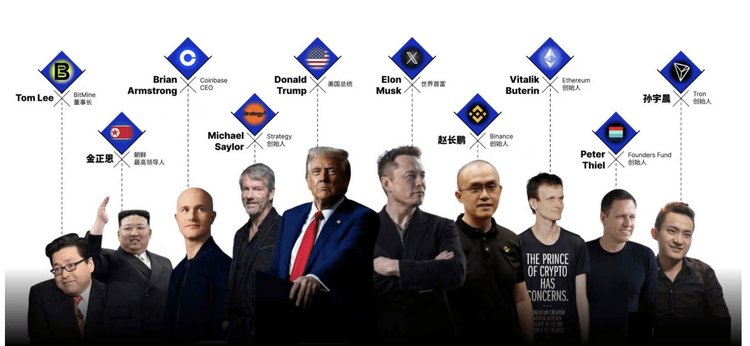
Ten People Redefining the Power Boundaries of Crypto in 2025
Od Wall Street do Białego Domu, od Doliny Krzemowej do Shenzhen, powstaje nowa sieć energetyczna.

Trading AI na rynkach kryptowalut: Od automatycznych robotów handlowych po algorytmiczne strategie
Handel oparty na sztucznej inteligencji przesuwa kryptowaluty z spekulacji detalicznej na konkurencję na poziomie instytucji, gdzie wykonywanie i zarządzanie ryzykiem są ważniejsze niż kierunek. W miarę wzrostu liczby transakcji AI zwiększa się ryzyko systemowe i presja regulacyjna, co czyni z długoterminowej wydajności, solidnych systemów i zgodności kluczowymi czynnikiem różnicującym.

Analiza emocji AI i zmienność kryptowalut: Co zmienia ceny kryptowalut
Sentiment AI coraz bardziej wpływa na rynki kryptowalut, a zmiany w oczekiwaniach związanych z AI przekładają się na zmienność dla głównych aktywów cyfrowych. Rynki kryptowalutowe mają tendencję do wzmacniania narracji AI, pozwalając przepływom napędzanym sentymentem przewyższać fundamenty w krótkim czasie. Zrozumienie, w jaki sposób kształtuje się i rozprzestrzenia sentyment AI, pomaga inwestorom lepiej przewidywać cykle ryzyka i pozycjonowanie możliwości w ramach aktywów cyfrowych.
Listopad 2025 Przegląd rynku kryptowalut: Korekta cen, zwroty ETF i ewoluujący krajobraz blockchain
W listopadzie 2025 r. nastąpiła wyraźna zmienność i korekta strukturalna w szerszym ekosystemie blockchain, głównie w wyniku zmiennych prognoz makroekonomicznych i dynamiki przepływu kapitału.

WEEX podbija świat serią wydarzeń offline w 2025 roku
Globalny zasięg WEEX: rok niepowstrzymanego wzrostu

Świętowanie urodzin ETH i networking Web3 z WEEX
WEEX dołączył do Crypto Drinks – Amsterdam x ETH Birthday Edition, tętniącego życiem wydarzenia towarzyszącego, podczas którego świętowano rocznicę powstania Ethereum wraz z europejską społecznością kryptowalutową.

SharpLink pozyskuje 295 milionów dolarów w ETH 5 sierpnia 2025 r. - przewyższając całą emisję eteru w zeszłym miesiącu
Wyobraź sobie firmę, która nie tylko zanurza się w świecie kryptowalut, ale zanurza się w głowie, zmieniając...
Divine Research wprowadza niezabezpieczone pożyczki kryptograficzne zasilane przez World ID Sama Altmana od 5 sierpnia 2025
Wyobraź sobie, że wkraczasz do świata, w którym zwykli ludzie, od nauczycieli szkół średnich po sprzedawców owoców, mogą szybko zdobyć pożyczki…
Co napędza rynki kryptowalut na początku 2026 roku: Swingi rynkowe, handel AI i przepływy ETF?
Wyobraź sobie kontrolowanie cen Bitcoin i Ethereum w ciągu jednego dnia — jedną minutę o 5%, a następną o 4%. Ostre ruchy, szybkie odwrócenia i wrażliwość na sygnały makro oznaczają pierwszy tydzień 2026 roku. Po wczesnym wzroście, oba aktywa wycofały się, ponieważ rynki ponownie kalibrowały oczekiwania dotyczące amerykańskiej polityki pieniężnej i instytucjonalnych przepływów. Dla traderów — w tym tych, którzy polegają na AI lub zautomatyzowanych systemach — ten okres zaoferował żywe przypomnienie: obfite sygnały nie gwarantują jasności. Utrzymywanie dyscypliny w egzekucji jest często prawdziwym wyzwaniem.
Dlaczego tokeny AI rosną szybciej niż na szerszym rynku kryptowalut
Tokeny AI przewyższają wydajność — i nie w ciszy. Bitcoin się rusza. Ethereum utrzymuje grunt. Jednak niektóre z najsilniejszych względnych zysków pochodzą z tokenów oznaczonych sztuczną inteligencją, nie majors, nie memy. Na pierwszy rzut oka wydaje się to intuicyjne. AI to prawdziwa technologia. To kształtuje branże daleko poza kryptowalutą. Ale rynki rzadko poruszają się tylko na intuicji — szczególnie nie tak szybko. Kiedy ceny przyspieszają przed przyjęciem, bardziej użytecznym pytaniem nie jest "Czy sztuczna inteligencja jest ważna?" To jest jaka wersja historii AI rynek kupuje — teraz.
Aktualność rynkowa — 7 stycznia
Bitmine zainwestował kolejne 28,000 Ethereum, o wartości około 91,16 miliona dolarów.
Aktualność rynkowa — 31 grudnia
Od Korei Południowej i OECD, które przyspieszają wdrażanie regulacji kryptowalut i ram zgodności, po równoczesny rozwój TAO ETF, technologii prywatności, górnictwa i rezerw Bitcoin, podczas gdy incydenty bezpieczeństwa i straty finansowe nadal rosną, rynek kryptowalut wkroczył w nową fazę pośród wielu wyzwań "silnej regulacji + ewolucji technologicznej + zwiększonych ryzyk".
Ten People Redefining the Power Boundaries of Crypto in 2025
Od Wall Street do Białego Domu, od Doliny Krzemowej do Shenzhen, powstaje nowa sieć energetyczna.
Trading AI na rynkach kryptowalut: Od automatycznych robotów handlowych po algorytmiczne strategie
Handel oparty na sztucznej inteligencji przesuwa kryptowaluty z spekulacji detalicznej na konkurencję na poziomie instytucji, gdzie wykonywanie i zarządzanie ryzykiem są ważniejsze niż kierunek. W miarę wzrostu liczby transakcji AI zwiększa się ryzyko systemowe i presja regulacyjna, co czyni z długoterminowej wydajności, solidnych systemów i zgodności kluczowymi czynnikiem różnicującym.


 App
App